



Rhode Island has no Indian casinos.
There are two state-licensed casinos: the Tiverton Casino Hotel, which opened Sep 1, 2018 in Tiverton, and the Twin River Casino in Lincoln. Both are owned and managed by the Twin River Management Group, Inc.
The former Newport Grand Slots in Newport, RI was closed Aug 28, 2018 and its slots license was transferred to the Tiverton Casino.
 Tribes are devastated after one year of COVID-19
March 18, 2021 -
As the Covid-19 pandemic began spreading across our nation last year, its impact became the most deadly in our tribal communities. Tribal economies also collapsed as casinos were shut down
... Read more
Tribes are devastated after one year of COVID-19
March 18, 2021 -
As the Covid-19 pandemic began spreading across our nation last year, its impact became the most deadly in our tribal communities. Tribal economies also collapsed as casinos were shut down
... Read more
 Grand Opening at Tiverton Casino Hotel
September 1, 2018 -
The new Tiverton Casino Hotel is now open after 15 months of construction. It is 85,000 square feet with 1,000 slot machines, 32 game tables and 84 hotel roooms.
... Read more
Grand Opening at Tiverton Casino Hotel
September 1, 2018 -
The new Tiverton Casino Hotel is now open after 15 months of construction. It is 85,000 square feet with 1,000 slot machines, 32 game tables and 84 hotel roooms.
... Read more
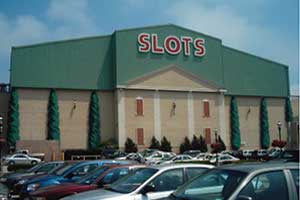 Newport Grand Slots closes and transfers license to Tiverton casino
August 28, 2018 -
Newport Grand Slots officially closed a few days prior to the opening of the new Tiverton Casino allowing it to transfer its gaming license to the new casino.
... Read more
Newport Grand Slots closes and transfers license to Tiverton casino
August 28, 2018 -
Newport Grand Slots officially closed a few days prior to the opening of the new Tiverton Casino allowing it to transfer its gaming license to the new casino.
... Read more
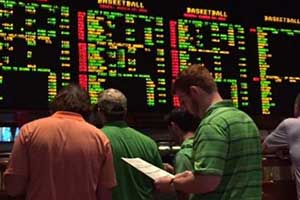 Rhode Island Legalizes Sports Betting
June 22, 2018 -
Gov. Gina Raimondo has signed her approval to legalize sports betting in Rhode Island. Sports wagering could begin operation of the game within three months.
... Read more
Headlines continued...
Rhode Island Legalizes Sports Betting
June 22, 2018 -
Gov. Gina Raimondo has signed her approval to legalize sports betting in Rhode Island. Sports wagering could begin operation of the game within three months.
... Read more
Headlines continued...
Minimum gambling ages are 18 years old for casinos, 18 for poker, 18 for bingo, 18 for sports betting, 18 for horse racing, 18 for the lottery.
 $3,000 Casino Welcome Bonus! $3,750 Crypto Welcome Bonus!
BOVADA CASINO
$3,000 Casino Welcome Bonus! $3,750 Crypto Welcome Bonus!
BOVADA CASINO
Bally's Twin River Lincoln
100 Twin River Road
Lincoln, Rhode Island 02865
(401) 723-3200
(877) 827-4837
Tiverton Casino and Hotel - NOW OPEN
777 Tiverton Casino Blvd
Tiverton, RI 02878-2497
(401) 816-6000
Newport Grand (CLOSED on Aug 28, 2018)
150 Admiral Kalbfus Road
Newport, Rhode Island 02840
June 22, 2018
On Friday Gov. Gina Raimondo approved sports betting to be legalized in Rhode Island. It is estimated that gaming venues could begin operation of the game within three months.
Under the law, 51 percent of revenue made from sports betting will be paid to the state. The money will go to fund the $9.6 billion budget planned for 2019. On Thursday the governor will receive the budget proposal from legislators for approval.
The fiscal year ends on July 01. It is estimated that the tax money earned from sports betting could equal $23.5 million.
The new budget was approved highly in favor by state lawmakers.
This will be the second state to approve sports betting. New Jersey was the first.
Money that is taxed from sports betting will go to programs that assist education, school buildings, and support for people with disabilities.
To begin, only two commercial casinos will offer sports betting. Those being Twin River Casinos. They are located in Tiverton and Lincoln. Guest will only be able to bet on a single sporting game. The host cities of Tiverton and Lincoln will receive $100,000 from the casino.
Sports betting will be over seen by the state lottery. The casinos and the state will work together on the revenue split.
Mobile gaming or any form of internet gaming will not be allowed be allowed. The two Twin River casino locations are the only location where people will be able to go to a sports book for wagering.
In order for people to use internet based gaming in the future, there will need to be voter approval.
Back Full Page > Rhode Island Casinos
#1 Casino Choice of U.S. Players
Blackjack • Slots • Table Games • Live Dealer • Video Poker
$3,000 Casino Welcome Bonus!
$3,750 Crypto Welcome Bonus!
BOVADA CASINO
 Twin River Tiverton Casino opening Sept 1st
May 25, 2018 -
Tiverton Casino Hotel will open Sept 1st, one month ahead of its original schedule. The 100,000 sq-ft casino will have 1,000 slot machines and 32 gaming tables.
... Read more
06.29.2017Tiverton Casino approval sets July 2018 opening
Twin River Tiverton Casino opening Sept 1st
May 25, 2018 -
Tiverton Casino Hotel will open Sept 1st, one month ahead of its original schedule. The 100,000 sq-ft casino will have 1,000 slot machines and 32 gaming tables.
... Read more
06.29.2017Tiverton Casino approval sets July 2018 opening
 Possible New Poker Room at Twin River Casino
Twin Rivers Casino Begins Operating Table GamesTwin River Casino Adds Table Games and JobsTwice as Many Out of State Visitors Visit RI Casinos
Possible New Poker Room at Twin River Casino
Twin Rivers Casino Begins Operating Table GamesTwin River Casino Adds Table Games and JobsTwice as Many Out of State Visitors Visit RI Casinos
07.06.2012 Narragansett Indian Tribe to appeal expanded gaming court ruling
06.20.2012 Expanded Gaming Bill to be on November Ballot
03.28.2012 Newport Grand Slot Parlor May Offer Table Games If Voters Approve
11.16.2011 Rhode Island Prepares for Casino Competition
10.06.2009 RI House & Senate OK casino referendum
10.06.2009 RI House Speaker says its time to reconsider casinos
06.23.2009 Twin River casino seeks bankruptcy
11.03.2008 U.S. Supreme Court hears case over Narragansett land
02.25.2008 Supreme Court will hear Narragansett Tribe v. Rhode Island
01.08.2008 Proposal to Legalize Rhode Island Casinos
10.05.2007 24 Hour Gambling Proposed



Most USA Players
CASINO • LIVE DEALER • POKER • SPORTSBOOK • RACEBOOK
 $4500 Crypto Bonuses - Get $3,750 Crypto Casino Welcome Bonus and $750 Crypto Sports Bonus at BOVADA.
$3,000 Casino Welcome Bonus - 100% Match Bonus redeemable 3 times up to $3,000! Play 300+ Slots, Table Games, Live Dealers, Hot Drop Jackpots at BOVADA
$4500 Crypto Bonuses - Get $3,750 Crypto Casino Welcome Bonus and $750 Crypto Sports Bonus at BOVADA.
$3,000 Casino Welcome Bonus - 100% Match Bonus redeemable 3 times up to $3,000! Play 300+ Slots, Table Games, Live Dealers, Hot Drop Jackpots at BOVADA
 Live Dealer $3,750 Welcome Bonus
$500 Poker Welcome Bonuses - "#1 Online Poker Room in U.S. Deep player pools, deep prize pools, hundreds of weekly tournaments at BOVADA
Live Dealer $3,750 Welcome Bonus
$500 Poker Welcome Bonuses - "#1 Online Poker Room in U.S. Deep player pools, deep prize pools, hundreds of weekly tournaments at BOVADA
 $750 Crypto Sports Welcome Bonus - Live betting, live odds, fun prop bets at BOVADA

500 NATIONS
FREE CASINO GAMES
No Signup - No Deposit
Most USA Players
CASINO • LIVE DEALER • POKER • SPORTSBOOK • RACEBOOK
$4500 Crypto Bonuses - Get $3,750 Crypto Casino Welcome Bonus and $750 Crypto Sports Bonus at BOVADA.
$3,000 Casino Welcome Bonus - 100% Match Bonus redeemable 3 times up to $3,000! Play 300+ Slots, Table Games, Live Dealers, Hot Drop Jackpots at BOVADA
Live Dealer $3,750 Welcome Bonus
$500 Poker Welcome Bonuses - "#1 Online Poker Room in U.S. Deep player pools, deep prize pools, hundreds of weekly tournaments at BOVADA
$750 Crypto Sports Welcome Bonus - Live betting, live odds, fun prop bets at BOVADA
500 NATIONS
FREE CASINO GAMES
No Signup - No Deposit
Most USA Players
CASINO • LIVE DEALER • POKER • SPORTSBOOK • RACEBOOK
$4500 Crypto Bonuses - Get $3,750 Crypto Casino Welcome Bonus and $750 Crypto Sports Bonus at BOVADA.
$3,000 Casino Welcome Bonus - 100% Match Bonus redeemable 3 times up to $3,000! Play 300+ Slots, Table Games, Live Dealers, Hot Drop Jackpots at BOVADA
Live Dealer $3,750 Welcome Bonus
$500 Poker Welcome Bonuses - "#1 Online Poker Room in U.S. Deep player pools, deep prize pools, hundreds of weekly tournaments at BOVADA
$750 Crypto Sports Welcome Bonus - Live betting, live odds, fun prop bets at BOVADA
500 NATIONS
FREE CASINO GAMES
No Signup - No Deposit
Most USA Players
CASINO • LIVE DEALER • POKER • SPORTSBOOK • RACEBOOK
$4500 Crypto Bonuses - Get $3,750 Crypto Casino Welcome Bonus and $750 Crypto Sports Bonus at BOVADA.
$3,000 Casino Welcome Bonus - 100% Match Bonus redeemable 3 times up to $3,000! Play 300+ Slots, Table Games, Live Dealers, Hot Drop Jackpots at BOVADA
Live Dealer $3,750 Welcome Bonus
$500 Poker Welcome Bonuses - "#1 Online Poker Room in U.S. Deep player pools, deep prize pools, hundreds of weekly tournaments at BOVADA
$750 Crypto Sports Welcome Bonus - Live betting, live odds, fun prop bets at BOVADA
500 NATIONS
FREE CASINO GAMES
No Signup - No Deposit
Most USA Players
CASINO • LIVE DEALER • POKER • SPORTSBOOK • RACEBOOK
$4500 Crypto Bonuses - Get $3,750 Crypto Casino Welcome Bonus and $750 Crypto Sports Bonus at BOVADA.
$3,000 Casino Welcome Bonus - 100% Match Bonus redeemable 3 times up to $3,000! Play 300+ Slots, Table Games, Live Dealers, Hot Drop Jackpots at BOVADA
Live Dealer $3,750 Welcome Bonus
$500 Poker Welcome Bonuses - "#1 Online Poker Room in U.S. Deep player pools, deep prize pools, hundreds of weekly tournaments at BOVADA
$750 Crypto Sports Welcome Bonus - Live betting, live odds, fun prop bets at BOVADA
500 NATIONS
FREE CASINO GAMES
No Signup - No Deposit
Most USA Players
CASINO • LIVE DEALER • POKER • SPORTSBOOK • RACEBOOK
$4500 Crypto Bonuses - Get $3,750 Crypto Casino Welcome Bonus and $750 Crypto Sports Bonus at BOVADA.
$3,000 Casino Welcome Bonus - 100% Match Bonus redeemable 3 times up to $3,000! Play 300+ Slots, Table Games, Live Dealers, Hot Drop Jackpots at BOVADA
Live Dealer $3,750 Welcome Bonus
$500 Poker Welcome Bonuses - "#1 Online Poker Room in U.S. Deep player pools, deep prize pools, hundreds of weekly tournaments at BOVADA
$750 Crypto Sports Welcome Bonus - Live betting, live odds, fun prop bets at BOVADA
500 NATIONS
FREE CASINO GAMES
No Signup - No Deposit
Most USA Players
CASINO • LIVE DEALER • POKER • SPORTSBOOK • RACEBOOK
$4500 Crypto Bonuses - Get $3,750 Crypto Casino Welcome Bonus and $750 Crypto Sports Bonus at BOVADA.
$3,000 Casino Welcome Bonus - 100% Match Bonus redeemable 3 times up to $3,000! Play 300+ Slots, Table Games, Live Dealers, Hot Drop Jackpots at BOVADA
Live Dealer $3,750 Welcome Bonus
$500 Poker Welcome Bonuses - "#1 Online Poker Room in U.S. Deep player pools, deep prize pools, hundreds of weekly tournaments at BOVADA
$750 Crypto Sports Welcome Bonus - Live betting, live odds, fun prop bets at BOVADA
500 NATIONS
FREE CASINO GAMES
No Signup - No Deposit
Most USA Players
CASINO • LIVE DEALER • POKER • SPORTSBOOK • RACEBOOK
$4500 Crypto Bonuses - Get $3,750 Crypto Casino Welcome Bonus and $750 Crypto Sports Bonus at BOVADA.
$3,000 Casino Welcome Bonus - 100% Match Bonus redeemable 3 times up to $3,000! Play 300+ Slots, Table Games, Live Dealers, Hot Drop Jackpots at BOVADA
Live Dealer $3,750 Welcome Bonus
$500 Poker Welcome Bonuses - "#1 Online Poker Room in U.S. Deep player pools, deep prize pools, hundreds of weekly tournaments at BOVADA
$750 Crypto Sports Welcome Bonus - Live betting, live odds, fun prop bets at BOVADA
500 NATIONS
FREE CASINO GAMES
No Signup - No Deposit
Most USA Players
CASINO • LIVE DEALER • POKER • SPORTSBOOK • RACEBOOK
$4500 Crypto Bonuses - Get $3,750 Crypto Casino Welcome Bonus and $750 Crypto Sports Bonus at BOVADA.
$3,000 Casino Welcome Bonus - 100% Match Bonus redeemable 3 times up to $3,000! Play 300+ Slots, Table Games, Live Dealers, Hot Drop Jackpots at BOVADA
Live Dealer $3,750 Welcome Bonus
$500 Poker Welcome Bonuses - "#1 Online Poker Room in U.S. Deep player pools, deep prize pools, hundreds of weekly tournaments at BOVADA
$750 Crypto Sports Welcome Bonus - Live betting, live odds, fun prop bets at BOVADA
500 NATIONS
FREE CASINO GAMES
No Signup - No Deposit
Most USA Players
CASINO • LIVE DEALER • POKER • SPORTSBOOK • RACEBOOK
$4500 Crypto Bonuses - Get $3,750 Crypto Casino Welcome Bonus and $750 Crypto Sports Bonus at BOVADA.
$3,000 Casino Welcome Bonus - 100% Match Bonus redeemable 3 times up to $3,000! Play 300+ Slots, Table Games, Live Dealers, Hot Drop Jackpots at BOVADA
Live Dealer $3,750 Welcome Bonus
$500 Poker Welcome Bonuses - "#1 Online Poker Room in U.S. Deep player pools, deep prize pools, hundreds of weekly tournaments at BOVADA
$750 Crypto Sports Welcome Bonus - Live betting, live odds, fun prop bets at BOVADA
500 NATIONS
FREE CASINO GAMES
No Signup - No Deposit
Most USA Players
CASINO • LIVE DEALER • POKER • SPORTSBOOK • RACEBOOK
$4500 Crypto Bonuses - Get $3,750 Crypto Casino Welcome Bonus and $750 Crypto Sports Bonus at BOVADA.
$3,000 Casino Welcome Bonus - 100% Match Bonus redeemable 3 times up to $3,000! Play 300+ Slots, Table Games, Live Dealers, Hot Drop Jackpots at BOVADA
Live Dealer $3,750 Welcome Bonus
$500 Poker Welcome Bonuses - "#1 Online Poker Room in U.S. Deep player pools, deep prize pools, hundreds of weekly tournaments at BOVADA
$750 Crypto Sports Welcome Bonus - Live betting, live odds, fun prop bets at BOVADA
500 NATIONS
FREE CASINO GAMES
No Signup - No Deposit
Most USA Players
CASINO • LIVE DEALER • POKER • SPORTSBOOK • RACEBOOK
$4500 Crypto Bonuses - Get $3,750 Crypto Casino Welcome Bonus and $750 Crypto Sports Bonus at BOVADA.
$3,000 Casino Welcome Bonus - 100% Match Bonus redeemable 3 times up to $3,000! Play 300+ Slots, Table Games, Live Dealers, Hot Drop Jackpots at BOVADA
Live Dealer $3,750 Welcome Bonus
$500 Poker Welcome Bonuses - "#1 Online Poker Room in U.S. Deep player pools, deep prize pools, hundreds of weekly tournaments at BOVADA
$750 Crypto Sports Welcome Bonus - Live betting, live odds, fun prop bets at BOVADA
500 NATIONS
FREE CASINO GAMES
No Signup - No Deposit
Most USA Players
CASINO • LIVE DEALER • POKER • SPORTSBOOK • RACEBOOK
$4500 Crypto Bonuses - Get $3,750 Crypto Casino Welcome Bonus and $750 Crypto Sports Bonus at BOVADA.
$3,000 Casino Welcome Bonus - 100% Match Bonus redeemable 3 times up to $3,000! Play 300+ Slots, Table Games, Live Dealers, Hot Drop Jackpots at BOVADA
Live Dealer $3,750 Welcome Bonus
$500 Poker Welcome Bonuses - "#1 Online Poker Room in U.S. Deep player pools, deep prize pools, hundreds of weekly tournaments at BOVADA
$750 Crypto Sports Welcome Bonus - Live betting, live odds, fun prop bets at BOVADA
500 NATIONS
FREE CASINO GAMES
No Signup - No Deposit
Most USA Players
CASINO • LIVE DEALER • POKER • SPORTSBOOK • RACEBOOK
$4500 Crypto Bonuses - Get $3,750 Crypto Casino Welcome Bonus and $750 Crypto Sports Bonus at BOVADA.
$3,000 Casino Welcome Bonus - 100% Match Bonus redeemable 3 times up to $3,000! Play 300+ Slots, Table Games, Live Dealers, Hot Drop Jackpots at BOVADA
Live Dealer $3,750 Welcome Bonus
$500 Poker Welcome Bonuses - "#1 Online Poker Room in U.S. Deep player pools, deep prize pools, hundreds of weekly tournaments at BOVADA
$750 Crypto Sports Welcome Bonus - Live betting, live odds, fun prop bets at BOVADA
500 NATIONS
FREE CASINO GAMES
No Signup - No Deposit
Most USA Players
CASINO • LIVE DEALER • POKER • SPORTSBOOK • RACEBOOK
$4500 Crypto Bonuses - Get $3,750 Crypto Casino Welcome Bonus and $750 Crypto Sports Bonus at BOVADA.
$3,000 Casino Welcome Bonus - 100% Match Bonus redeemable 3 times up to $3,000! Play 300+ Slots, Table Games, Live Dealers, Hot Drop Jackpots at BOVADA
Live Dealer $3,750 Welcome Bonus
$500 Poker Welcome Bonuses - "#1 Online Poker Room in U.S. Deep player pools, deep prize pools, hundreds of weekly tournaments at BOVADA
$750 Crypto Sports Welcome Bonus - Live betting, live odds, fun prop bets at BOVADA
500 NATIONS
FREE CASINO GAMES
No Signup - No Deposit
Most USA Players
CASINO • LIVE DEALER • POKER • SPORTSBOOK • RACEBOOK
$4500 Crypto Bonuses - Get $3,750 Crypto Casino Welcome Bonus and $750 Crypto Sports Bonus at BOVADA.
$3,000 Casino Welcome Bonus - 100% Match Bonus redeemable 3 times up to $3,000! Play 300+ Slots, Table Games, Live Dealers, Hot Drop Jackpots at BOVADA
Live Dealer $3,750 Welcome Bonus
$500 Poker Welcome Bonuses - "#1 Online Poker Room in U.S. Deep player pools, deep prize pools, hundreds of weekly tournaments at BOVADA
$750 Crypto Sports Welcome Bonus - Live betting, live odds, fun prop bets at BOVADA
500 NATIONS
FREE CASINO GAMES
No Signup - No Deposit
Most USA Players
CASINO • LIVE DEALER • POKER • SPORTSBOOK • RACEBOOK
$4500 Crypto Bonuses - Get $3,750 Crypto Casino Welcome Bonus and $750 Crypto Sports Bonus at BOVADA.
$3,000 Casino Welcome Bonus - 100% Match Bonus redeemable 3 times up to $3,000! Play 300+ Slots, Table Games, Live Dealers, Hot Drop Jackpots at BOVADA
Live Dealer $3,750 Welcome Bonus
$500 Poker Welcome Bonuses - "#1 Online Poker Room in U.S. Deep player pools, deep prize pools, hundreds of weekly tournaments at BOVADA
$750 Crypto Sports Welcome Bonus - Live betting, live odds, fun prop bets at BOVADA
500 NATIONS
FREE CASINO GAMES
No Signup - No Deposit
Most USA Players
CASINO • LIVE DEALER • POKER • SPORTSBOOK • RACEBOOK
$4500 Crypto Bonuses - Get $3,750 Crypto Casino Welcome Bonus and $750 Crypto Sports Bonus at BOVADA.
$3,000 Casino Welcome Bonus - 100% Match Bonus redeemable 3 times up to $3,000! Play 300+ Slots, Table Games, Live Dealers, Hot Drop Jackpots at BOVADA
Live Dealer $3,750 Welcome Bonus
$500 Poker Welcome Bonuses - "#1 Online Poker Room in U.S. Deep player pools, deep prize pools, hundreds of weekly tournaments at BOVADA
$750 Crypto Sports Welcome Bonus - Live betting, live odds, fun prop bets at BOVADA
500 NATIONS
FREE CASINO GAMES
No Signup - No Deposit
Most USA Players
CASINO • LIVE DEALER • POKER • SPORTSBOOK • RACEBOOK
$4500 Crypto Bonuses - Get $3,750 Crypto Casino Welcome Bonus and $750 Crypto Sports Bonus at BOVADA.
$3,000 Casino Welcome Bonus - 100% Match Bonus redeemable 3 times up to $3,000! Play 300+ Slots, Table Games, Live Dealers, Hot Drop Jackpots at BOVADA
Live Dealer $3,750 Welcome Bonus
$500 Poker Welcome Bonuses - "#1 Online Poker Room in U.S. Deep player pools, deep prize pools, hundreds of weekly tournaments at BOVADA
$750 Crypto Sports Welcome Bonus - Live betting, live odds, fun prop bets at BOVADA
500 NATIONS
FREE CASINO GAMES
No Signup - No Deposit
Most USA Players
CASINO • LIVE DEALER • POKER • SPORTSBOOK • RACEBOOK
$4500 Crypto Bonuses - Get $3,750 Crypto Casino Welcome Bonus and $750 Crypto Sports Bonus at BOVADA.
$3,000 Casino Welcome Bonus - 100% Match Bonus redeemable 3 times up to $3,000! Play 300+ Slots, Table Games, Live Dealers, Hot Drop Jackpots at BOVADA
Live Dealer $3,750 Welcome Bonus
$500 Poker Welcome Bonuses - "#1 Online Poker Room in U.S. Deep player pools, deep prize pools, hundreds of weekly tournaments at BOVADA
$750 Crypto Sports Welcome Bonus - Live betting, live odds, fun prop bets at BOVADA
500 NATIONS
FREE CASINO GAMES
No Signup - No Deposit
Disclaimer: All images are copyright to their respective owners and are used by 500 Nations for informational purposes only.
500 Nations is an independent directory and information service free of any gaming operator's control and not affiliated with any casino.
Warning: You must ensure you meet all age and other regulatory requirements before entering a casino or placing a wager.
There are hundreds of jurisdictions in the world with Internet access and hundreds of different games and gambling opportunities available on the Internet.
Do not assume that Internet gaming sites are in compliance with the rules and regulations of every jurisdiction from which they accept players.
YOU are responsible for determining if it is legal for YOU to play any particular game or place any particular wager under the laws of the jurisdiction where you are located.